
Brahea armata – The Mexican Blue Palm
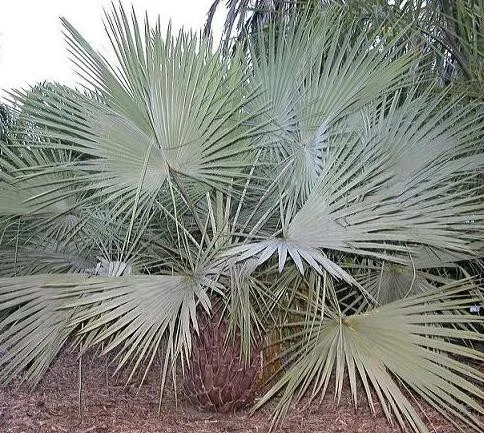
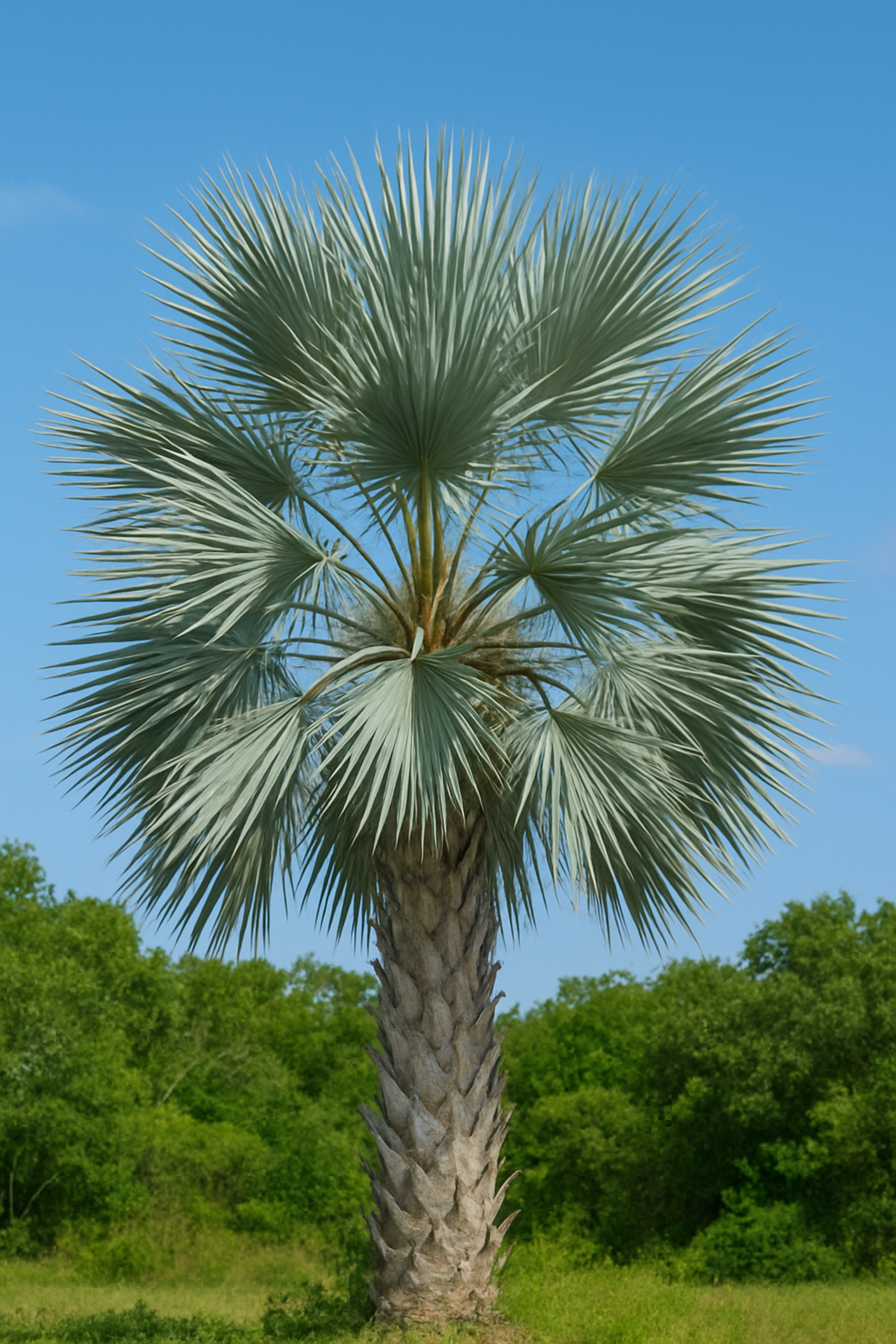
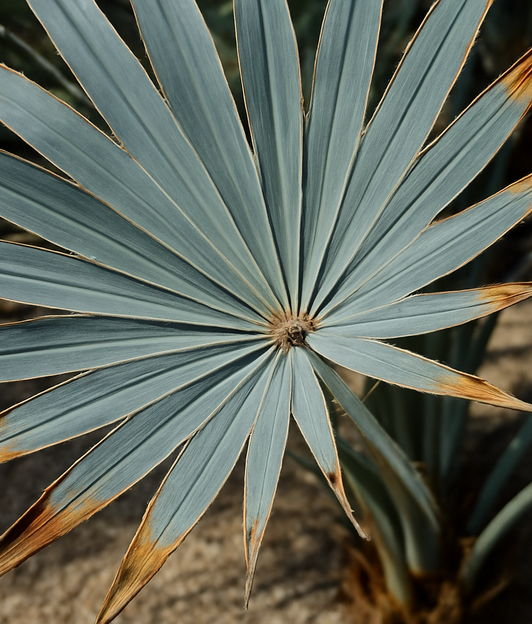
The Brahea armata , often called Mexican Blue Palm or Super Silver Palm , is one of the most striking ornamental palms. Its stiff, fan-shaped leaves possess an extraordinary silvery-blue color that shines in the sunlight, making it an architectural gem in any garden or landscape. Slow-growing but long-lived, it is drought-tolerant and resilient once established.
Origin and History
Native to the Baja California Desert, Mexico, this palm has evolved to thrive in arid and rocky environments. It was introduced to Europe and other warm regions for its unique blue foliage and exceptional hardiness, quickly becoming a favorite among collectors and an iconic species of Mediterranean landscapes.
FACT SHEET
Botanical specifications
- Botanical name: Brahea armata
- Common names: Mexican Blue Palm, Super Silver Palm
- Type: Single-trunked evergreen palm.
- Growth rate: Very slow (10–15 cm / 4–6 inches per year)
- Mature height: 10–15 m (30–50 ft)
- Spread: 3–5 m (10–16 ft) canopy width
- Leaf type: Stiff, fan-shaped, silvery-blue leaves up to 1.5 m (5 ft) wide.>
- Cold hardiness: down to -10 °C (14 °F).
- Lifespan: Can live for more than 100 years.
Care
- Light: Requires full sun for the best silvery-blue color.
- Soil: Prefers well-draining sandy or rocky soil.
- Watering: Drought-tolerant; occasional deep watering in summer helps young plants.
- Fertilization: Apply a palm fertilizer with micronutrients in spring/summer.
- Pruning: Carefully remove old, dead leaves; avoid damaging the crown.
- Winter tips: Protect young plants during very cold winters; mature specimens are hardy.
Benefits and Uses
- Its striking silvery blue foliage makes it a true gem.
- Extremely drought-tolerant, perfect for xeriscaping.
- Ideal for Mediterranean, desert, and modern landscapes.
- Architectural focal point as a specimen plant.
- Works beautifully in contrast with green palms and flowering plants.
Landscaping Inspiration
The Mexican Blue Palm can be used in many ways:
- As a specimen plant in a front yard or garden.
- In desert-style landscapes with agaves, yuccas, and cacti.
- In Mediterranean gardens for color contrast.
- In public spaces where its dramatic appearance leaves a bold impression
Common Problems and Solutions
- Slow growth: normal for this palm; patience is required.
- Nutrient deficiencies: can cause browning of leaf tips → apply micronutrient fertilizer.
- Cold damage: Protect young plants from frost; mature palms withstand -10 °C.
- Old fronds turning brown: natural process; prune carefully without damaging the crown
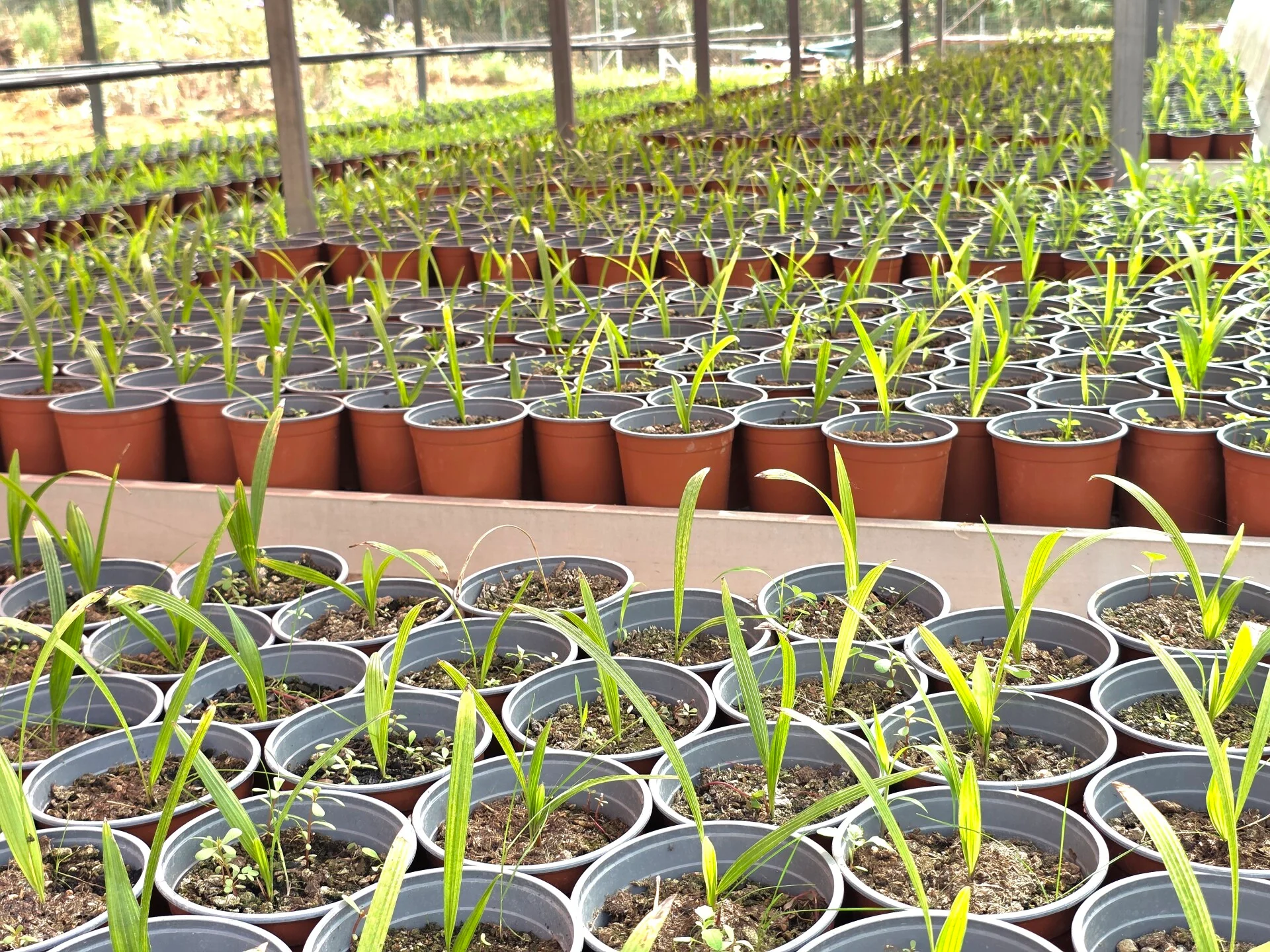
Availability and Sizes
We offer Trachycarpus fortunei palms in different sizes
- 0 – 10 cm
- 10 – 30 cm
- 30 – 50 cm
- 50 – 75 cm
- 75 – 100 cm
- 100 – 150 cm
Contact
Please leave your contact details if you are interested in this palm, and we will get in touch as soon as possible.
Our Philosophy
«We cultivate each plant as we live: chemical-free, using green energy, and with complete respect for nature.»
«We are not in a hurry, we do not pollute: we cultivate with purpose, for a greener future.»
Pepe Ruiz Camps, Owner